
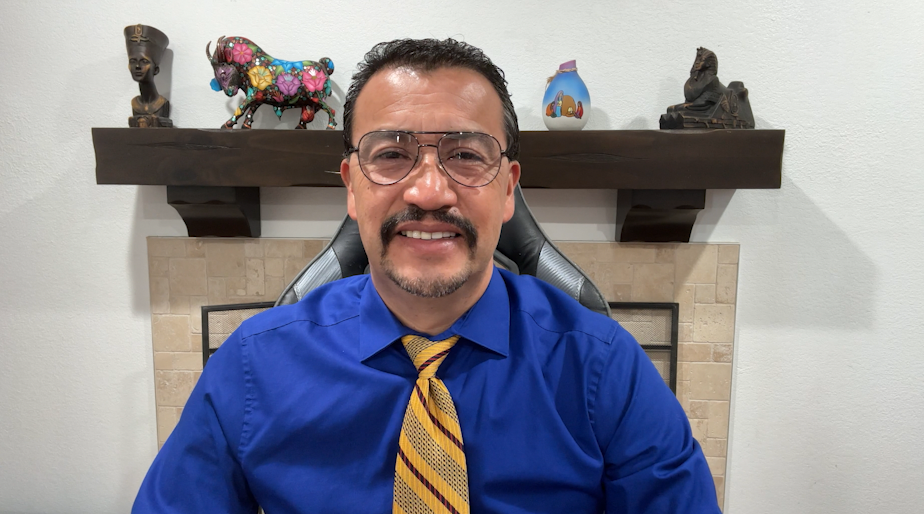
 See My Latest Article on HelloNation

What Should You Do Immediately After a Car Accident in Coachella, CA?
Your safety comes first. If you're involved in a collision, first check for injuries and move to a safe location if possible. Call 911 if anyone is hurt or if cars are blocking traffic. Even minor crashes on local streets require careful handling, especially during hot, high-traffic periods or near major intersections.
Once safe, turn on hazard lights and set out warning triangles or flares if you have them—especially helpful if visibility is limited by sun glare or after dark.
How Should You Document a Collision for Insurance?
Accident documentation is key. For insurance purposes, accurate and prompt evidence helps avoid disputes. Take the following steps:
- Use your phone to photograph all vehicles from multiple angles, showing both overall damage and close-ups. Include street signs or landmarks to help clarify the location within Coachella.
- Snap pictures of license plates, driver's licenses, proof of insurance cards, and the scene around the accident.
- Write down the time, exact location (such as a particular intersection or parking lot in the city), and weather conditions. In the desert environment of Coachella, bright sunlight and dust can affect driving and play a role in accidents—record these details if relevant.
Even if the collision seems minor, these records protect you in case problems arise later.
Who Should You Contact After an Accident?
If injuries or significant damage occur, call the police. For less severe cases, you can call the local non-emergency number to request an incident report. In Coachella, many residents wonder if police always need to respond: California law requires a report if there's an injury, death, or property damage over $1,000. For fender-benders without injuries, sometimes only exchanging information is needed, but an official report can ease the insurance process.
Notify your insurance company as soon as is practical, even if you’re unsure about filing a claim. Some residents hesitate, hoping damages can be privately resolved, but failing to report can jeopardize coverage later.
What Details Should You Exchange with the Other Driver?
You need accurate information for your insurance claim. Exchange:
- Full name and contact info
- Driver’s license number
- Insurance company name and policy number
- Vehicle make, model, year, and license plate
Avoid discussing fault at the scene. Stick to factual details; your insurer and, if needed, law enforcement will decide responsibility.
What Should You Do If You’re Uninsured or the Other Driver is Uninsured?
If you or the other driver lacks insurance, the situation can be complicated. California law requires all drivers to carry liability coverage, but uninsured accidents do happen. If the other driver is uninsured, gather as much evidence as possible. Uninsured/underinsured motorist coverage—often included in area policies—may help pay for repairs or injuries.

Report the accident to law enforcement if there’s no insurance involved; this supports your statement and helps local authorities track uninsured incidents.
Should You Seek Medical Attention Even if You Feel Fine?
Sometimes, injuries like whiplash or concussions don’t show symptoms right away. Local healthcare providers in Coachella are familiar with treating accident injuries, and it’s smart to get checked out even after seemingly minor crashes. Keep all medical care receipts and records for your insurance claim, as delayed pain is common in car accidents.
How Are Accidents Usually Handled by Local Insurers?
Most insurers require prompt notification—typically within 24 hours. Regardless of who was at fault, file a claim as soon as possible. In Coachella, area households often commute long distances, and repairs can take extra time if specialized parts or labor are needed. The sooner you start the process, the faster things move.
Be prepared for an adjuster to contact you. Answer questions honestly and use the photos and notes you gathered to support your version of events. During busy seasons like festival months, repair shops and adjusters may be stretched thin, so patience and clear records make the process smoother.
Are There Common Misconceptions About Car Accident Insurance Claims?
Yes—many residents believe that small accidents don’t need to be reported or that claims will raise premiums automatically. In fact, failing to report can leave you responsible for hidden damage or medical issues if the other driver decides to file a claim after the fact.
Another misconception is that you don’t need to call police unless someone is injured. Local practice suggests having a formal report, even if it’s just from a non-emergency dispatcher, can help later if insurance questions arise.
What if the Accident Involves a Parked Car or Property?
If you hit a parked car or local property, leave a clear, written note with your contact information and notify local law enforcement as required by state law. Failing to do so can be treated as a hit-and-run, which has serious legal consequences.
Document the scene, take photos, and inform your insurer as with any moving-vehicle collision. Repairs for property damage are covered under most liability policies, but reporting is key.
Which Local Factors Should You Consider?
The desert climate, glare from late-afternoon sun, and seasonal tourist or festival traffic can complicate accident scenarios in Coachella. Document weather and visibility, and note if dust, extreme heat, or large events might have contributed.
Keep in mind that some accidents may involve visitors unfamiliar with local roads, or periods when traffic enforcement is elevated. These factors may affect how adjusters or law enforcement interpret an incident.